
Psalms & Prayers
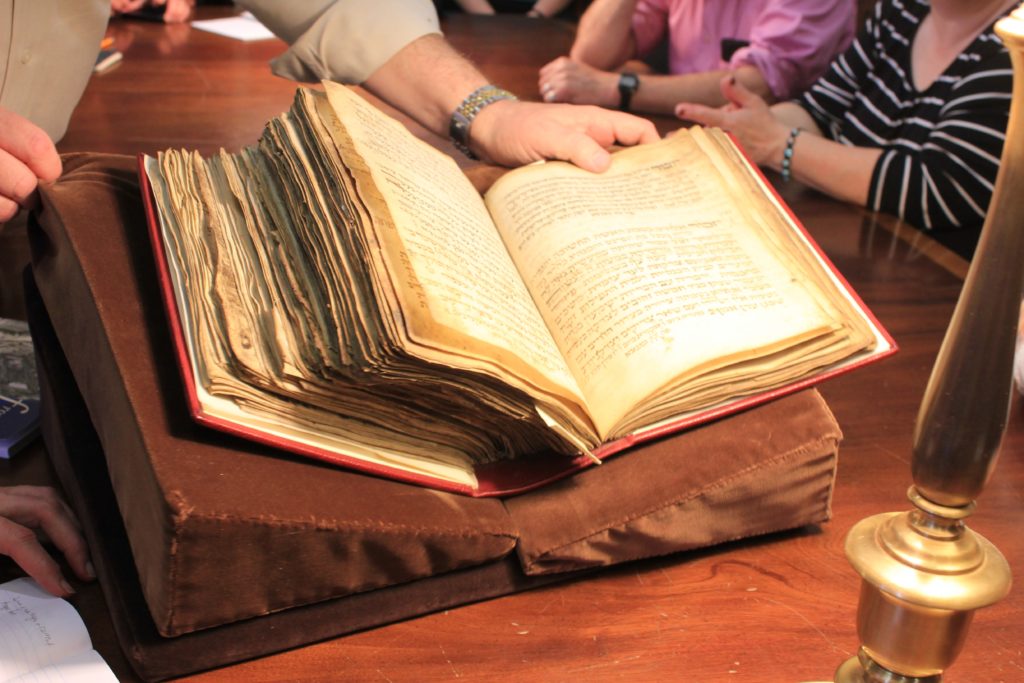
Tehillim, Psalms, are part of the Jewish Bible and have been used for centuries by many faith traditions. The 150 Psalms, poems and songs reflect the full range of human experience — from the depths of anger and despair to the moments of awe and gratitude. Central themes include songs of praise and thanksgiving, communal and personal laments, expressions of faith and doubt, and requests for Divine help.
In Judaism, Psalms are used in many ways; as part of daily and Yomtov prayer, in times of trouble and danger, as personal meditation, a source of comfort, and as part of ritual. The reading of Psalms is viewed in Jewish tradition as a vehicle for gaining God’s favor.
Over the centuries, certain Psalms have become associated with particular events or uses. We read Psalms for healing of the sick. After death, recitation of Psalms by family and friends is thought to bring comfort to the soul in transition. At a funeral service, Psalms are read to bring forth Divine mercy for the deceased, and to help the mourners navigate their loss.
Psalms for Healing
Psalms as the Ultimate Self-Help Tool
by Rabbi Simkha Y. Weintraub
“The one who blesses” is prayer for healing. Usually recited in Synagogue, this prayer asks for Divine compassion and healing of spirit and body.
Psalms for Healing
Scores of Memory
Music resonates with the Jewish people. Its power to uplift and console is unique.
This collection includes psalms, prayers and poems set to melodies both ancient and modern. The selections are composed and performed by celebrated and renowned musicians and cantors, rabbis and vocalists including Ernest Bloch, Shlomo Carlebach, Debbie Friedman, Craig Taubman, Roslyn Barak, RebbeSoul and David Paskin. There are nearly a dozen instrumentals and vocals that you can turn to for inspiration and comfort.
Scores of Memory:
Prayer
Mee Shebayrach
Esah Alnai
Angels Around Me
Kaddish
If I Only Had The Words
Mizmor lDavid
Mi Shebeirach
Jobs Niggun
Avinu
Hamakom